_ A Conference of the Birds
A Conference of the Birds was a proposal thought out for Central European University's open call for a public artwork to landmark its 35th anniversary and its journey as an institution of higher education in post-soviet Central-East Europe.
I was fortunate to make it to the second round of the selection process, however, I was not so fortunate after the second round... further info on the awarded project can be found here. Nonetheless, I am grateful to be given the opportunity.
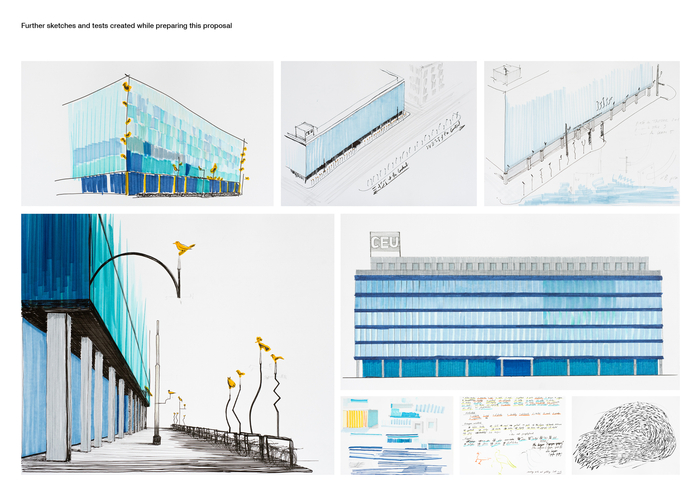
The documentation below shows the entire process and the outcome of my proposal, created in Bucharest during the winter of 2025-'26.
– – – – – – – – – – – – – – – – – – – – – – – – – –
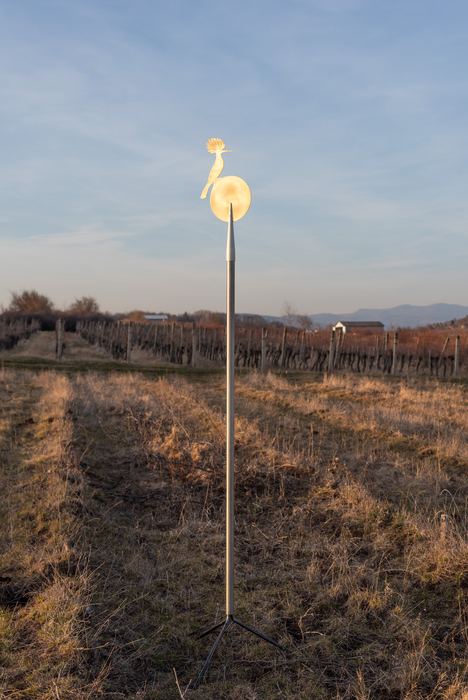
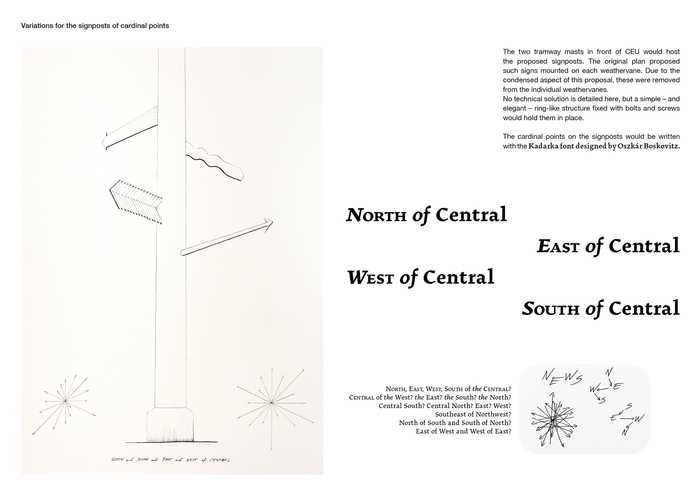
A Conference of the Birds / A Philosophical Instrument / N E W S of Central
The proposal is grounded on two principal conceptual frameworks: one poetic, the other cerebral.
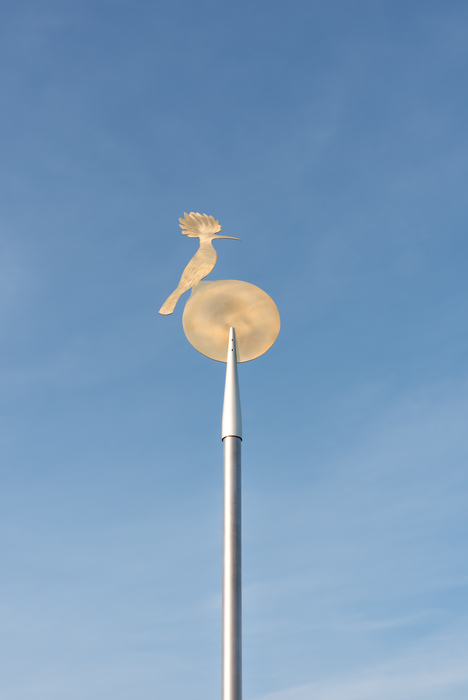
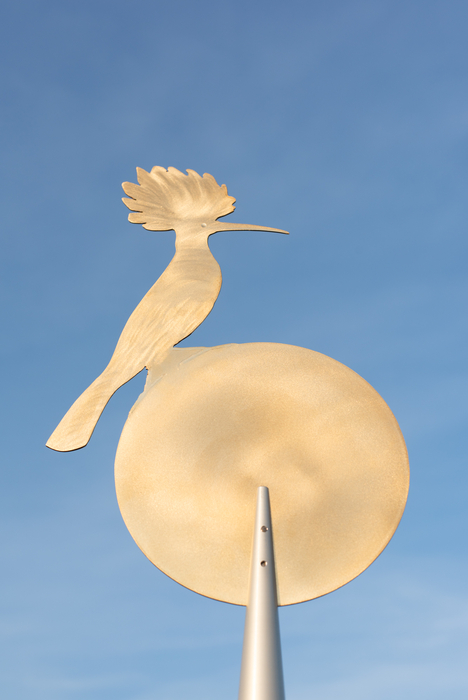
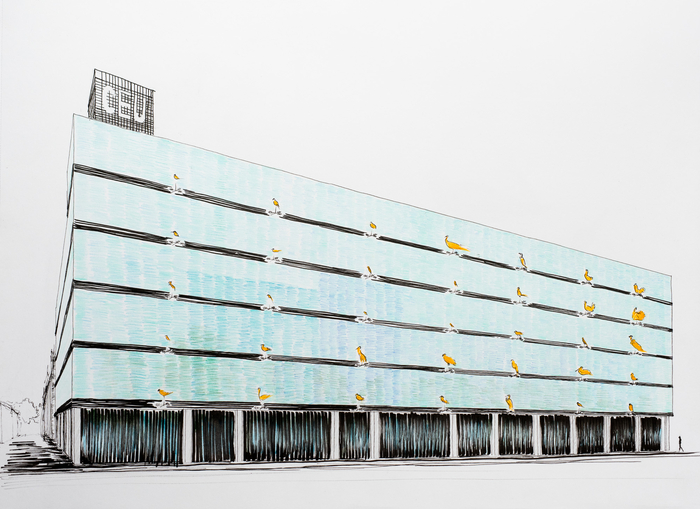
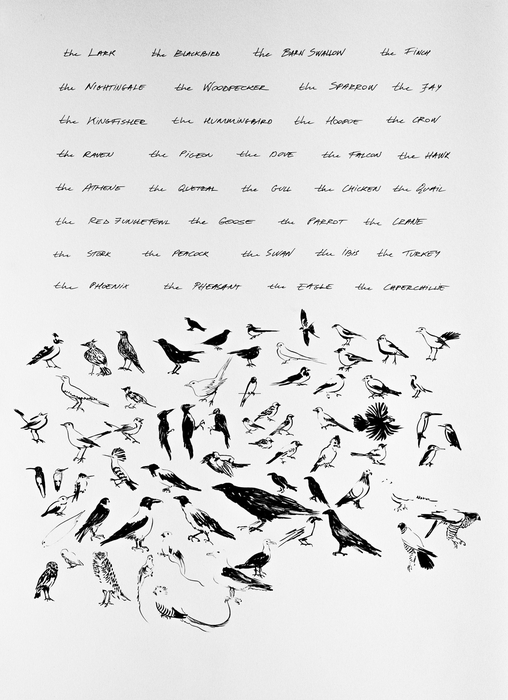
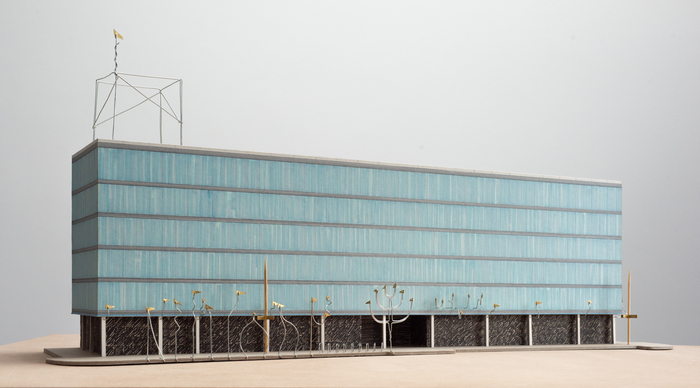
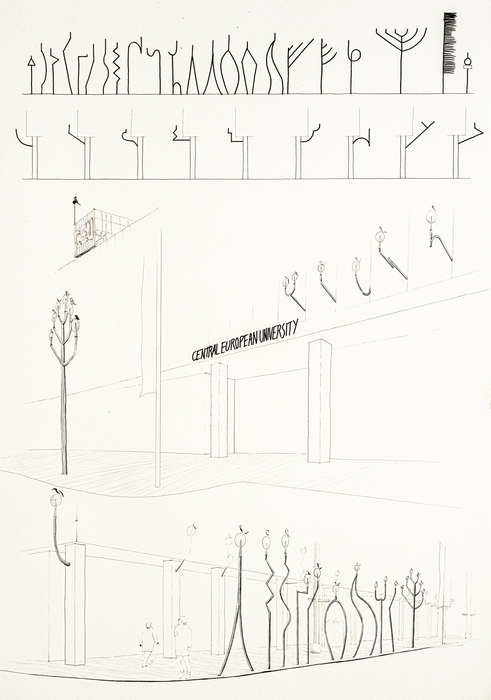
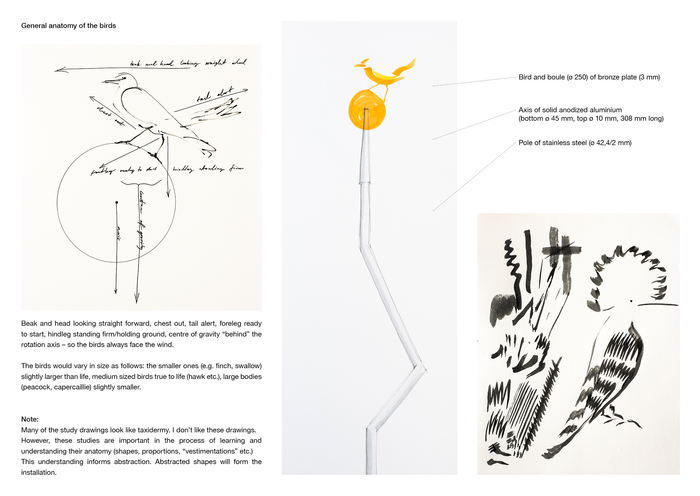
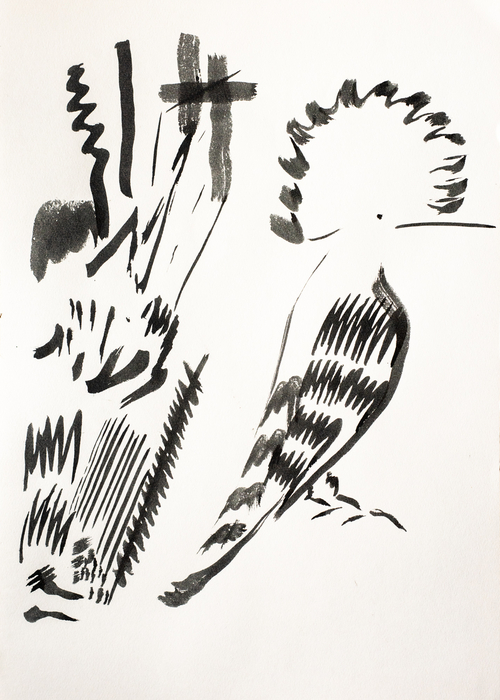
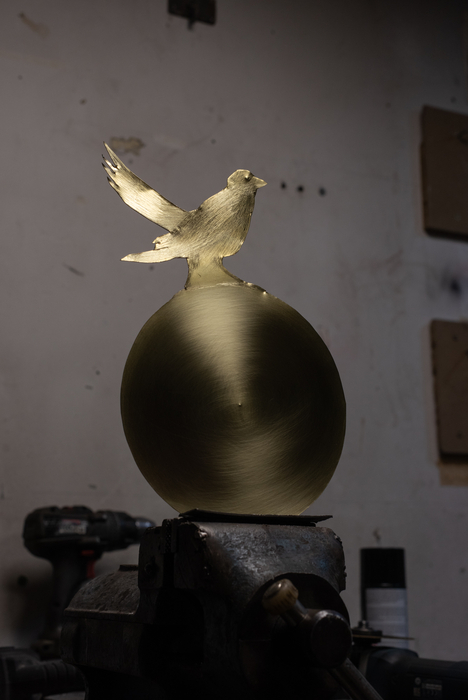
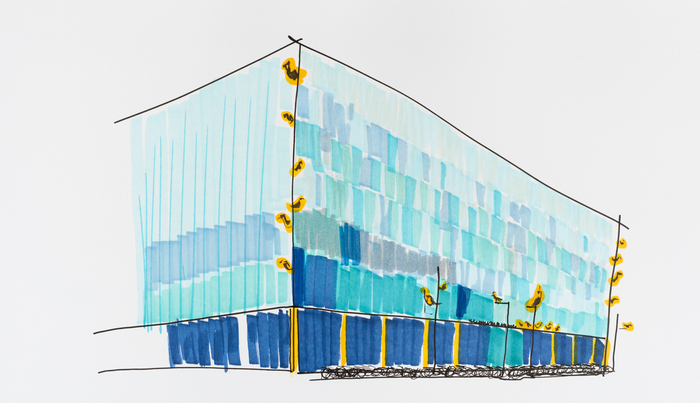
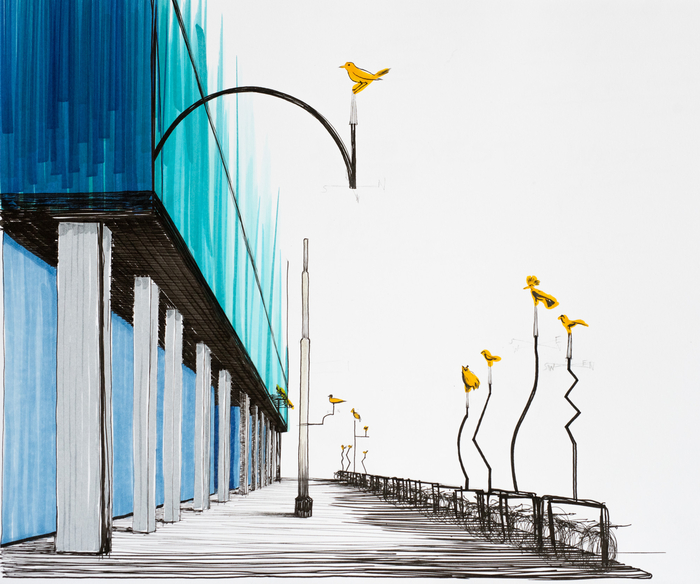
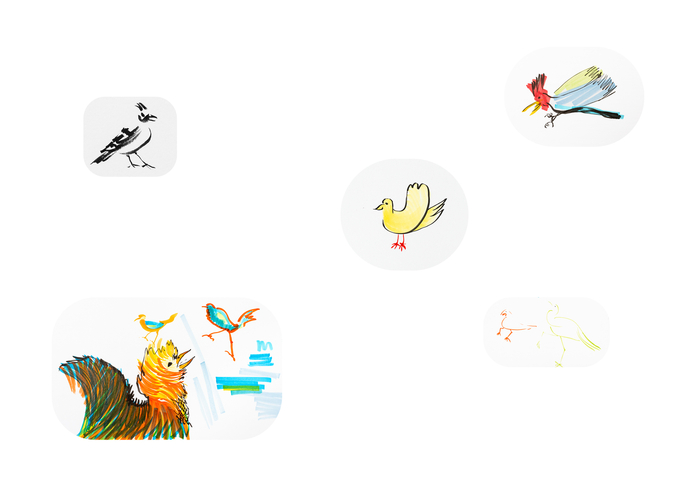
The poetic approach draws on CEU’s institutional narrative and on the journey in Farīd al-Dīn ʿAṭṭār’s The Conference of the Birds, as metaphors for academic life, studentship, and intellectual challenge. The hermeneutics of the birds draws on culturally sedimented symbolic interpretations rather than idiosyncratic meanings. These include widely shared associations—such as the swallow as a harbinger of spring, the hoopoe as a figure of wisdom in Attar’s poem, or the athene owl as an emblem of knowledge. At a visual level, this approach also seeks to soften and informalise the building’s rigid, greyish-blue architecture by introducing organic, playful forms that stand in deliberate contrast to it.
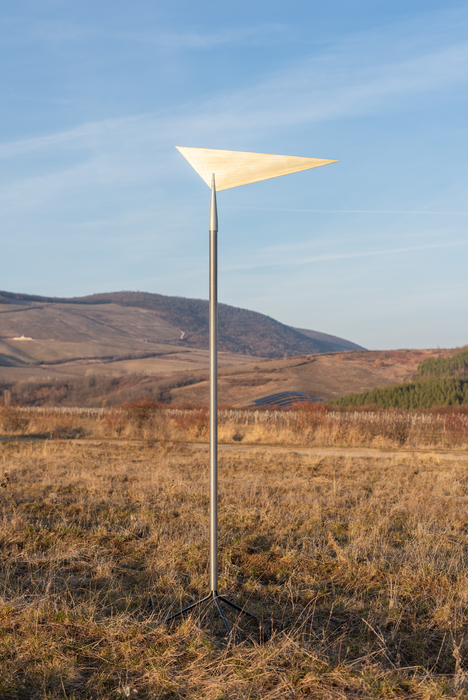
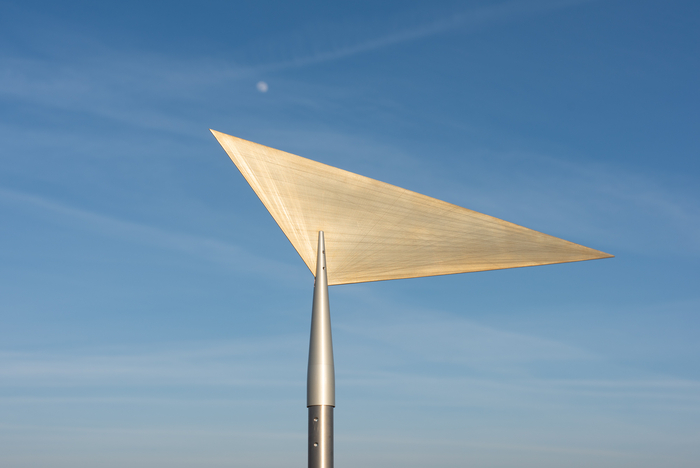
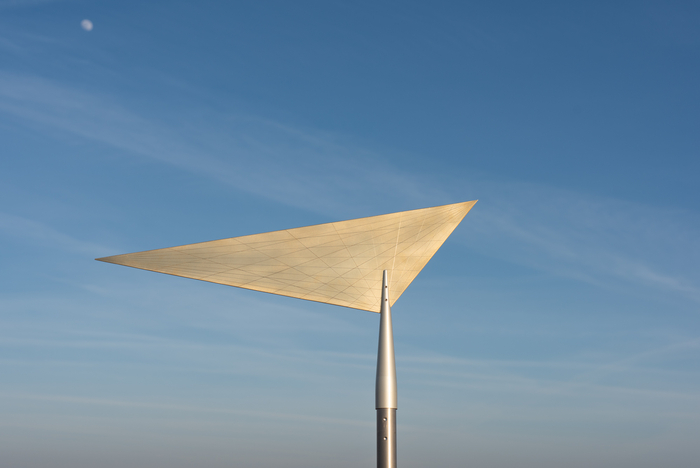
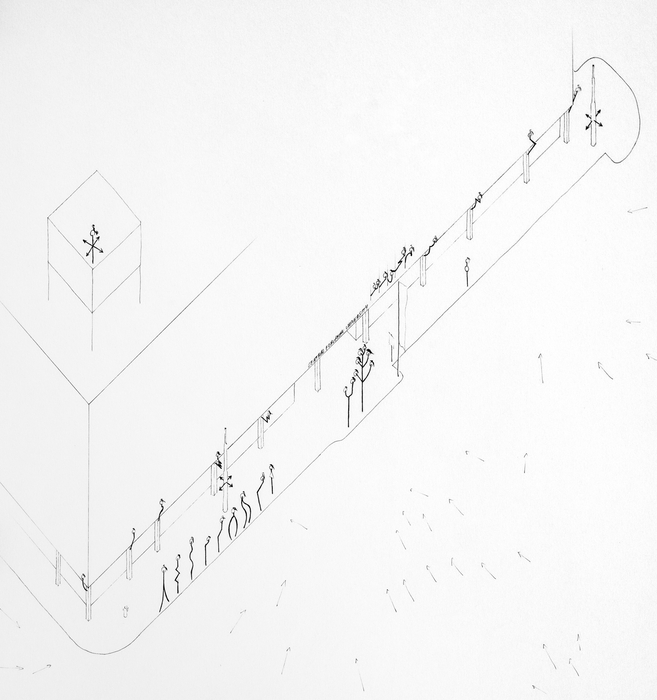
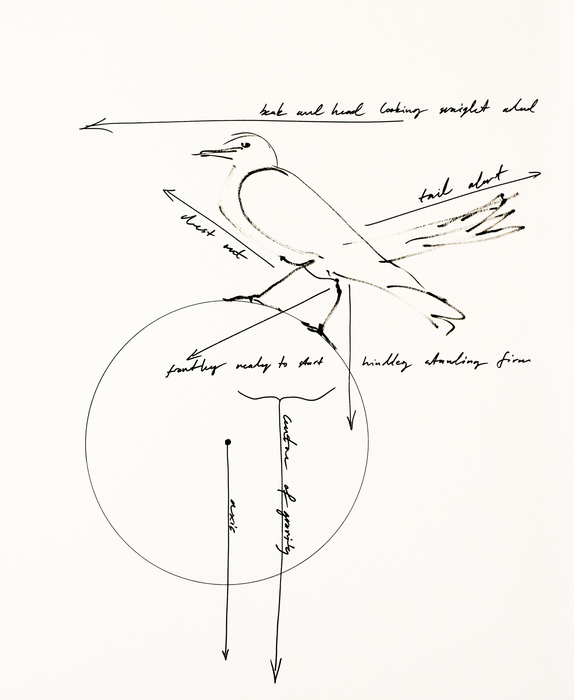
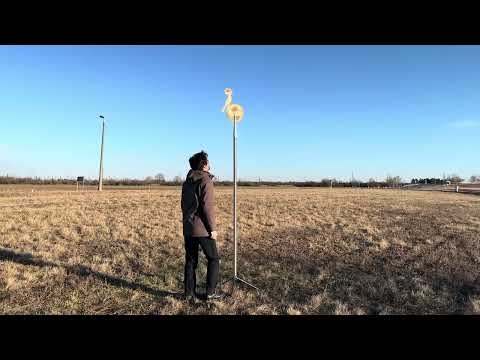
The cerebral approach conceives the weathervane as a philosophical instrument, akin to devices such as the sundial, the astronomical observatory, Foucault’s pendulum, the gyroscope, or the photographic camera in the nineteenth century—tools designed to make phenomena observable. The alert birds permanently indicate cardinal directions, which, from a central vantage point, can be read symbolically through contemporary geopolitical references: Greenland to the North; Ukraine, Gaza, and Iran to the East; Minneapolis and Brussels to the West; Venezuela, Mercosur, and Al-Shabab to the South—to name just a few.
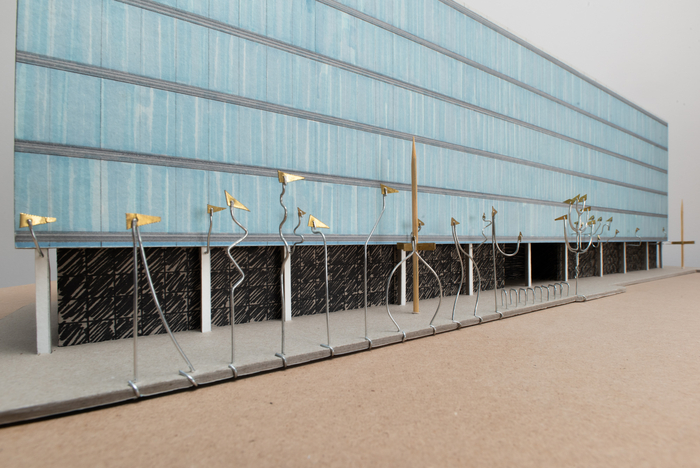
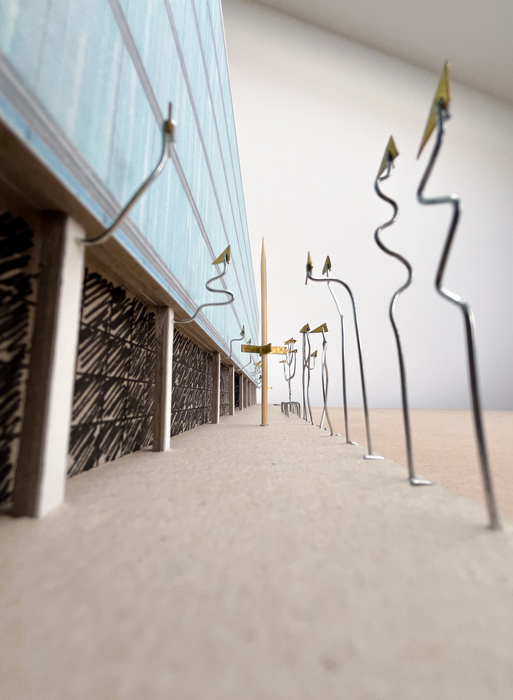
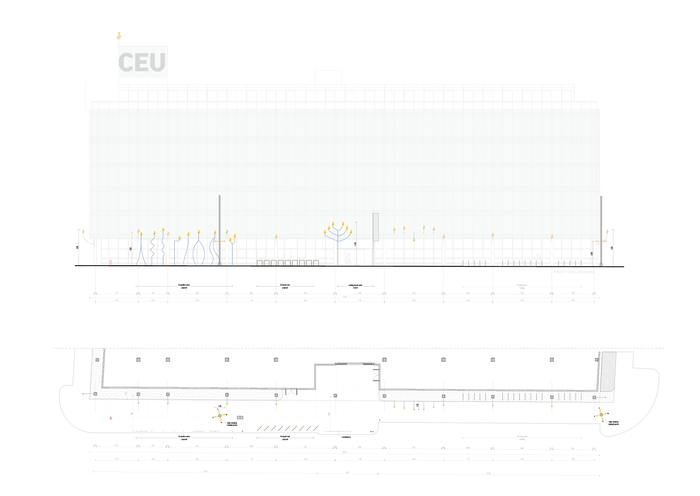
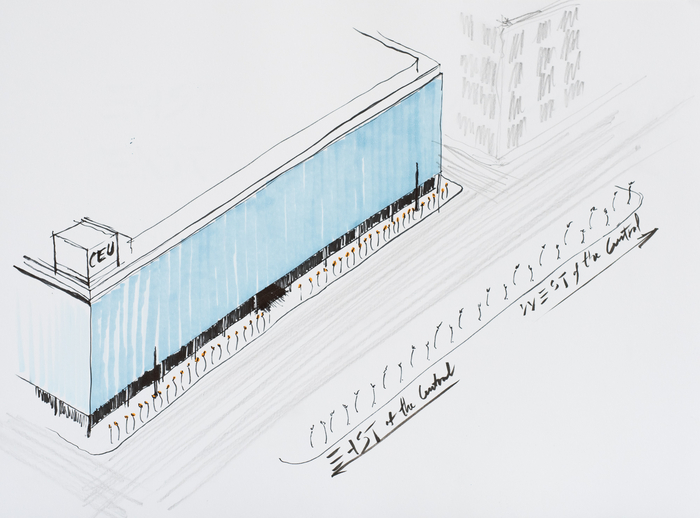
A third consideration addresses the absence of a clearly defined public place in front of CEU’s headquarters. By distributing the weathervanes along the walkway and partially relocating the bicycle racks—using them in one section to form a fence-like structure—the intervention aims to create such a sense of place.
The proposal consists of:
- 35 birds/weathervanes,
- distributed across five areas of the building and adjacent street:
- along the edge of the sidewalk (nine poles);
- on the building’s front pillars (nine pillars);
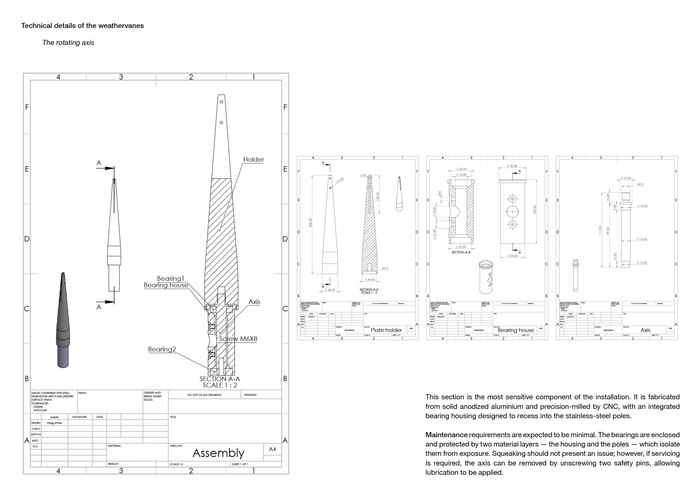
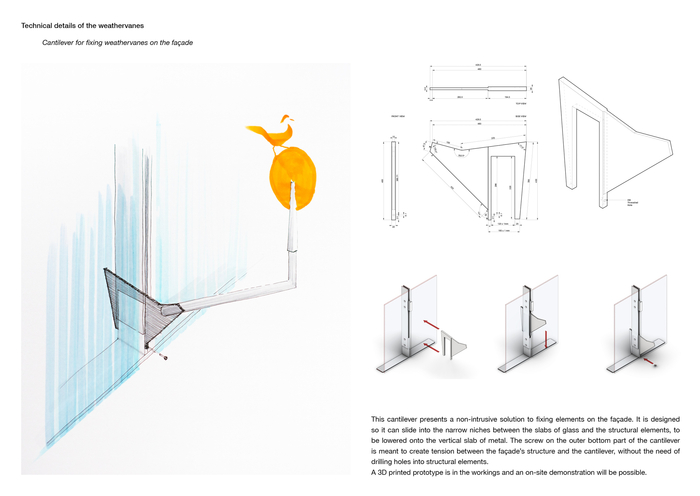
- on the façade (five elements);
- on the roof (one element);
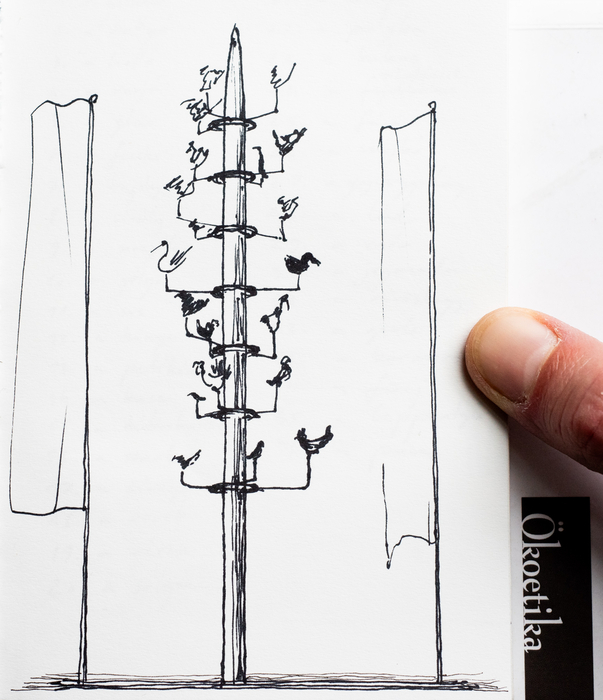
- centrepiece in front of the main entrance, replacing a CEU flag.